Acne is one of the common skin problems that occur when the hair follicles get clogged with dead skin cells, bacteria, and oil. People of any age group can develop acne, but it is most commonly seen in teenagers and young adults. Acne can also lead to pimples, blackheads, and whiteheads.
For many people, acne gets cleared when they reach their 30s. But in some cases, the acne may remain until their 40s and 50s. If you have severe acne, it can cause emotional stress and can affect your self-confidence. Acne can also sometimes lead to anxiety. However, there are treatment options for acne and you can easily get rid of them.
What are the Different Types of Acne?
There are several types of acne such as the following:
- Fungal acne: Fungal acne develops due to the build-up of yeast on the hair follicles. Fungal acne can cause itching at the site.
- Cystic acne: This type of acne is inflammatory and a serious type. It occurs due to the formation of cysts underneath the skin and can cause painful pus-filled pimples. It can also lead to scars.
- Hormonal acne: Hormonal acne occurs due to the excess production of oil and it clogs the pores. It is commonly seen in adults.
- Nodular acne: Nodular acne is a severe type of acne. This acne causes nodular lumps under the skin and shows red bumps on the surface of the skin. Nodular acne can occur on the chest, back, and face.
Irrespective of the type of acne you are experiencing, acne can affect your self-esteem and can even damage your skin in the form of scarring. So, it is better to seek medical help at the earliest possible to avoid further damage to your skin.
What Signs Indicate That I Have Acne?
Acne ranges from mild to severe and the signs also vary based on the severity. The following are the common signs of acne:
- Whiteheads: Whiteheads are closed plugged pores that produce a white bump on the skin
- Blackheads: Blackheads are open plugged pores and they appear black on the skin’s surface
- Papules: Papules are inflamed lesions that appear as small and red, or, purple bumps on the skin
- Nodules: Nodules are painful and large lumps that develop under the skin
- Cysts: Cysts are the painful pus-filled lumps under the surface of the skin
If the acne breaks down, it can cause discoloration and scarring on the skin. The chances of scarring even increase with the popping of pimples. Hence you should avoid squeezing pimples for an immediate solution.
Where Can I See Acne on My Body?
Acne can develop on any part of the body but commonly occurs where the oil glands exist. The following are the most common areas prone to acne:
- Face
- Shoulders
- Chest
- Back
- Forehead
Why Do I Develop Acne?
Acne is mainly caused by clogged pores and hair follicles. Sebaceous glands produce oil that connects to the hair follicles through the pores. The hair follicles are attached to the keratinocytes that rise to the skin’s surface when the body sheds skin cells. But if the keratinocytes get stick to the hair follicles, they cannot shed. Due to this, the oil and dead cells get plugged into the hair follicles and causes inflammation. If the plugged hair follicles break down, it leads to pimples and lesions. The bacteria and dead skin cells also get spilled on the skin.
The pores can get clogged due to the following:
- Excess sebum production
- Bacteria
- Dead skin cells
However, certain factors can increase the risk of developing acne such as:
- If one of your parents had acne
- Use of certain medications
- If you are a teenager
- Hormonal changes due to pregnancy
- Stress
- High humidity and air pollution
- High levels of androgens
Diagnosis and Treatment of Acne
The doctor conducts a physical exam to look at your skin and know the signs you have. The doctor may also conduct tests to determine the underlying cause of your skin condition. The diagnosis tests help the doctor to know the severity of your condition and to develop a treatment plan.
There are several treatment options for acne. The treatment is based on the severity, age, and type of acne you have. The treatment focuses on controlling acne, stopping new pimples and minimizing the appearance of scars on the skin.
The dermatologist may prescribe topical and oral acne medications to prevent excess production of oil and swelling. It can take up to several months to find results with acne medications.
If you do not find any results with medications, then the dermatologist may recommend acne therapies such as the following to clean your skin:
- Steroids
- Chemical peels
- Lasers
- Light therapy
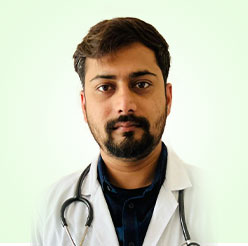
Looking for the Best Dermatologist in Hyderabad? Meet Dr Amit Kolli at Skin Stories
If you have acne and it is affecting your physical appearance, visit Skin Stories to regain your self-confidence. The hospital is handled by Dr Amit Kolli, who has been working as a dermatologist in Hyderabad for over 10 years. He has helped several patients with acne and ensures to offer the best and safe treatment for his patients. He believes in a patient-centric treatment method and develops a personalized treatment plan based on your condition and goals. You do not need to have a second thought about Amit Kolli and you can count on him for acne treatment.