PRP hair treatment is a non-surgical, regenerative hair restoration therapy that uses your own blood to stimulate hair growth. PRP, or platelet-rich plasma, is derived from your blood and is processed to concentrate the growth factors and other beneficial components. The PRP is then injected into the scalp to promote hair growth and improve hair thickness and quality.
The success rate of PRP hair treatment can be as high as 80%. However, it is important to manage expectations as it can show varying levels of hair growth in different people.
Who Is A Good Candidate For PRP Hair Treatment?
PRP hair treatment can be a great option for individuals with hair loss or thinning due to various reasons, including:
- Androgenic alopecia or male and female pattern baldness
- Telogen effluvium or temporary hair loss due to stress, medication, or hormonal changes
- Alopecia areata or patchy hair loss due to an autoimmune disorder
- Trauma or injury-related hair loss
- Hair loss after chemotherapy or radiation therapy
So, if you are generally a healthy person and have mild to moderate hair loss PRP hair treatment can help you regrow some of the lost hair.
Why Should You Consider PRP Hair Treatment?
PRP Hair Treatment is one of the most sought-after hair restoration treatments in recent times. It is quite popular among celebrities and athletes as well. Here’s why:
- It used elements of your own body and hence, is a natural and gentle procedure.
- It is a non-surgical process that is done in the doctor’s clinic. It practically has no downtime and a very short recovery time. So, you can go home the same day and resume work the very next!
- This procedure involves near-to-null complications. With just one course of antibiotics, the risk of infections can be managed well.
- Nearly 75% of patients who have undergone PRP treatment are satisfied with the results they see.
- Unlike hair transplantation, PRP can be done again and again (even annually) if you see the need.
How Is PRP Hair Treatment Done?
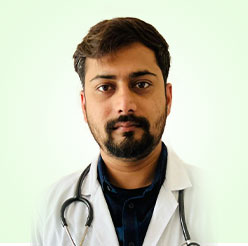
At Skin Stories, the PRP hair treatment is personally supervised by Dr. Amit Kolli, a trichologist with 10+ years of experience. The clinic is equipped with cutting-edge technology to ensure that you get the best possible results from the treatment. If you are opting for this hair restoration procedure, these are the steps that you can expect in each session:
- First, a small sample of your blood is drawn from your arm, usually around 10-30 ml.
- The sample is then placed in a centrifuge machine, which spins the blood at high speeds to separate the plasma-rich protein (PRP) from other components.
- The PRP is then prepared for injection by removing any red or white blood cells, leaving a concentrated solution of platelets.
- Finally, using a fine needle, the PRP solution is injected into the scalp in areas where hair is thin or where you desire more volume.
Post-procedure, expect mild soreness, redness, or swelling at the injection site. Use ice packs and the prescribed pain medication to help with any discomfort. Avoid washing your hair for the first 24 hours after the treatment and avoid any strenuous activity for at least 48 hours. Best avoid alcohol and smoking for at least a week.
How Soon Can You Expect Results?
The results of PRP hair treatment can vary depending on the severity of hair loss and the number of treatments performed. Generally, patients can expect to see an improvement in hair thickness and quality within 3-6 months after the first treatment. The more the number of sessions, the better the result (within a limit).
GFC Therapy For Hair
GFC therapy is another hair restoration treatment that uses growth factors and stem cells derived from the patient’s own blood to stimulate hair growth. GFC therapy involves the same initial steps as PRP therapy. However, in GFC therapy, the isolated growth factors and stem cells are then mixed with a special matrix material before being injected into the scalp. Like PRP therapy, GFC therapy is also minimally invasive with nearly no downtime required after the treatment.